LAND UN-CAR Concept
Last Mile Mobility Solution
- Duration
- 3 weeks
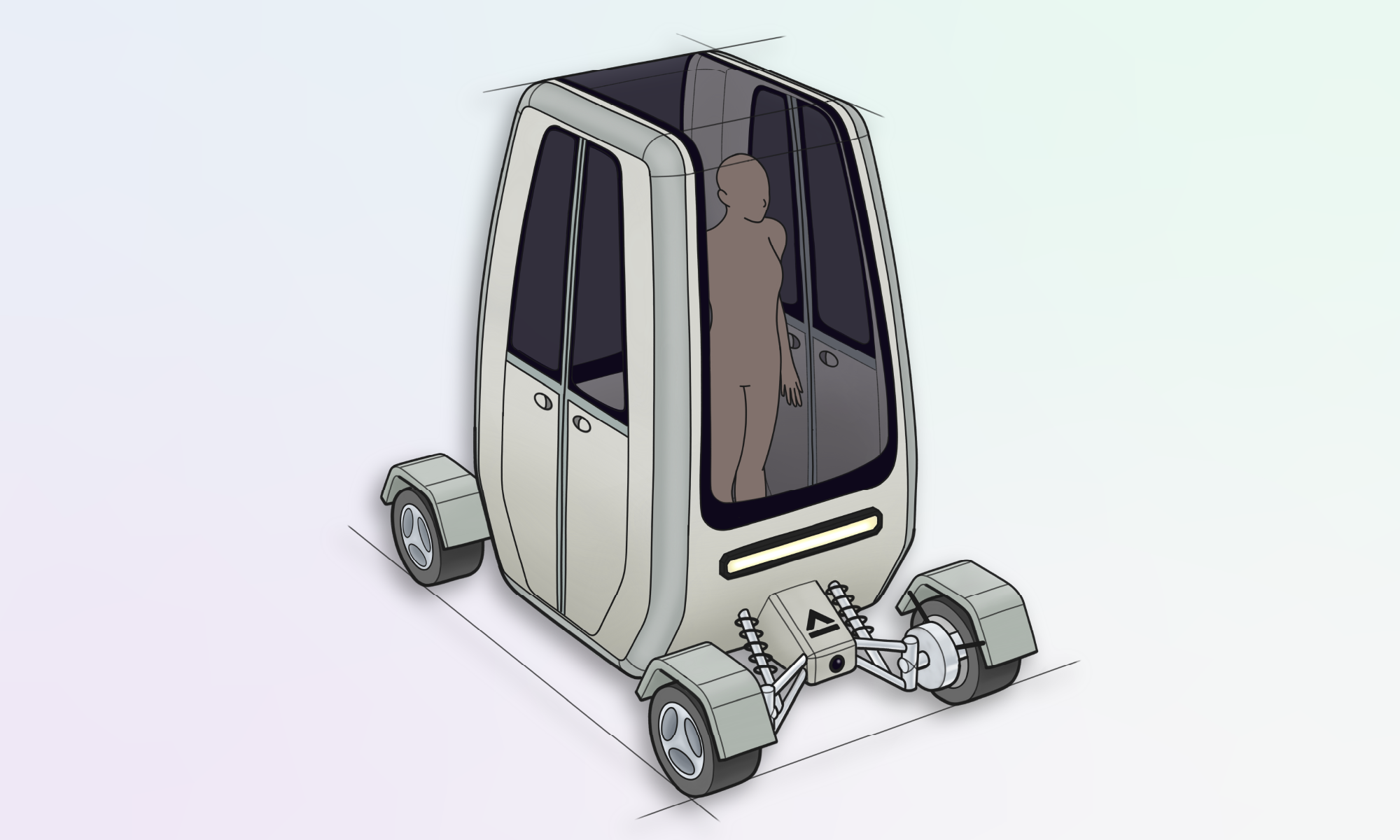
The Opportunity
Inspired by the Car Design Academy mobility competition in partnership with LAND, I see an unique opportunity to solve last-mile transportation for individuals with Postural Orthostatic Tachycardia Syndrome (POTS).
My Approach
Guided by the stipulated challenge, I constructed a target persona based on the needs of my target population to devise constraints and requirements for the design. For this project, I explored integrating local AI into my workflow.
The Results
Designed a vehicle fit for last-mile travel which seamlessly blends into walkways and supports the needs of people with mobility and orthostatic difficulties. The bi-directional mobility pod conveys safety and ruggedness while maintaining a sleek and restrained profile.
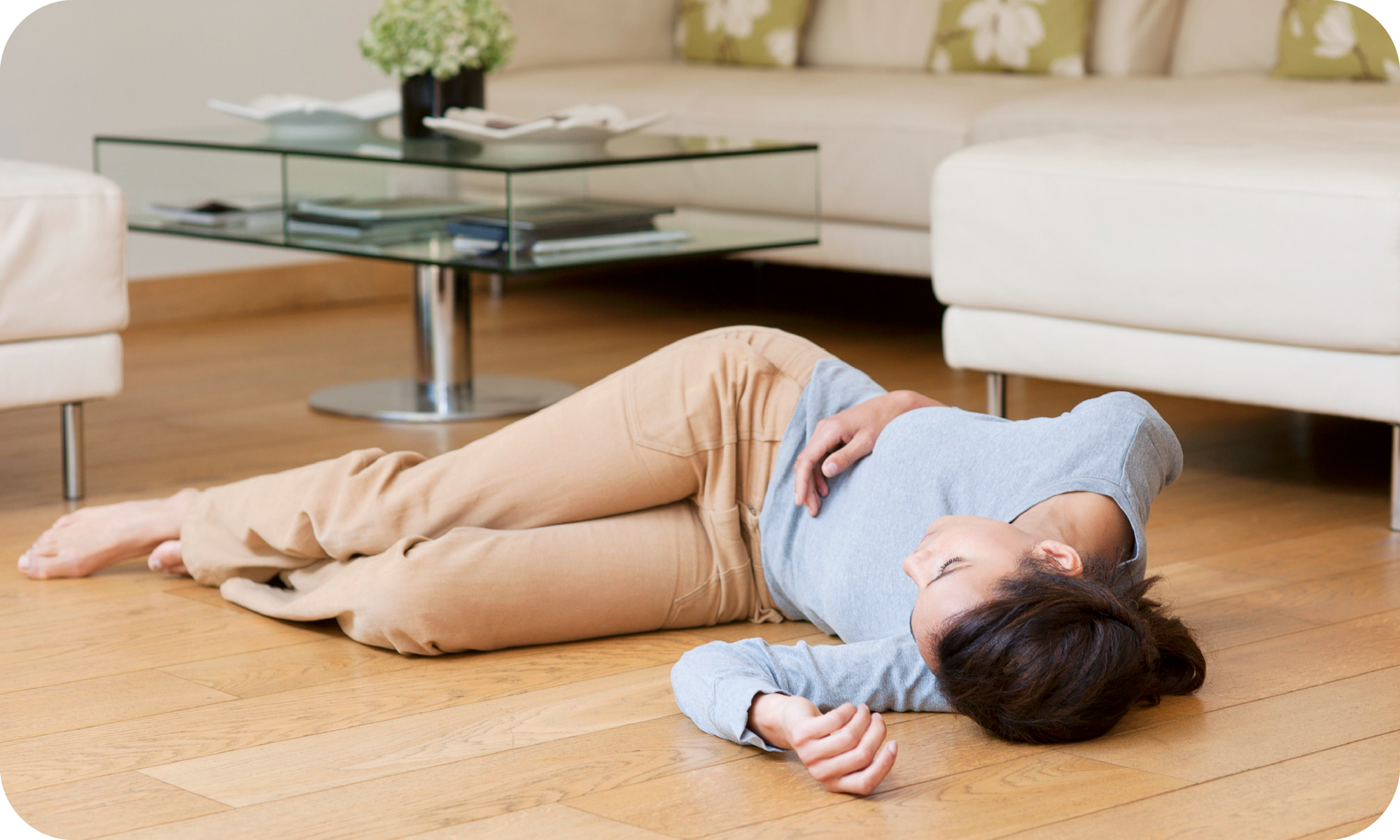
What is POTS?
People with Postural Orthostatic Tachycardia Syndrome experience an elevated heart rate, leg pain, temperature regulation issues, and headaches.
When transitioning to an upright position, and walking mid to long distances outdoors, specially at an upgrade, these symptoms can lead to sweating, exhaustion, vision blacking out, and fainting.

Target Persona
- Name: Maya Lin
- Age: 21
- Location: Suburban University Campus
- Major: Architecture | Junior
Maya is an Architecture junior navigating campus with Postural Orthostatic Tachycardia Syndrome (POTS). She seeks a standing, autonomous mobility pod that eliminates the orthostatic shock of sitting/standing. As an architecture student, she needs to transport bulky physical models and large plans between university buildings while preventing blackouts.
Established Needs
- Stable Standing Platform: A secure platform with strong handles and gradual acceleration/deceleration to prevent orthostatic stress or falling during sudden stops/starts.
- Integrated Storage System: Ample, secure compartments for architectural models, portfolios, and tablets that allow hands-free operation while riding.
- Climate-Controlled Enclosure: A sleek, autonomous pod that regulates internal temperature to prevent heat-induced symptoms while visually blending seamlessly into campus pedestrian traffic.
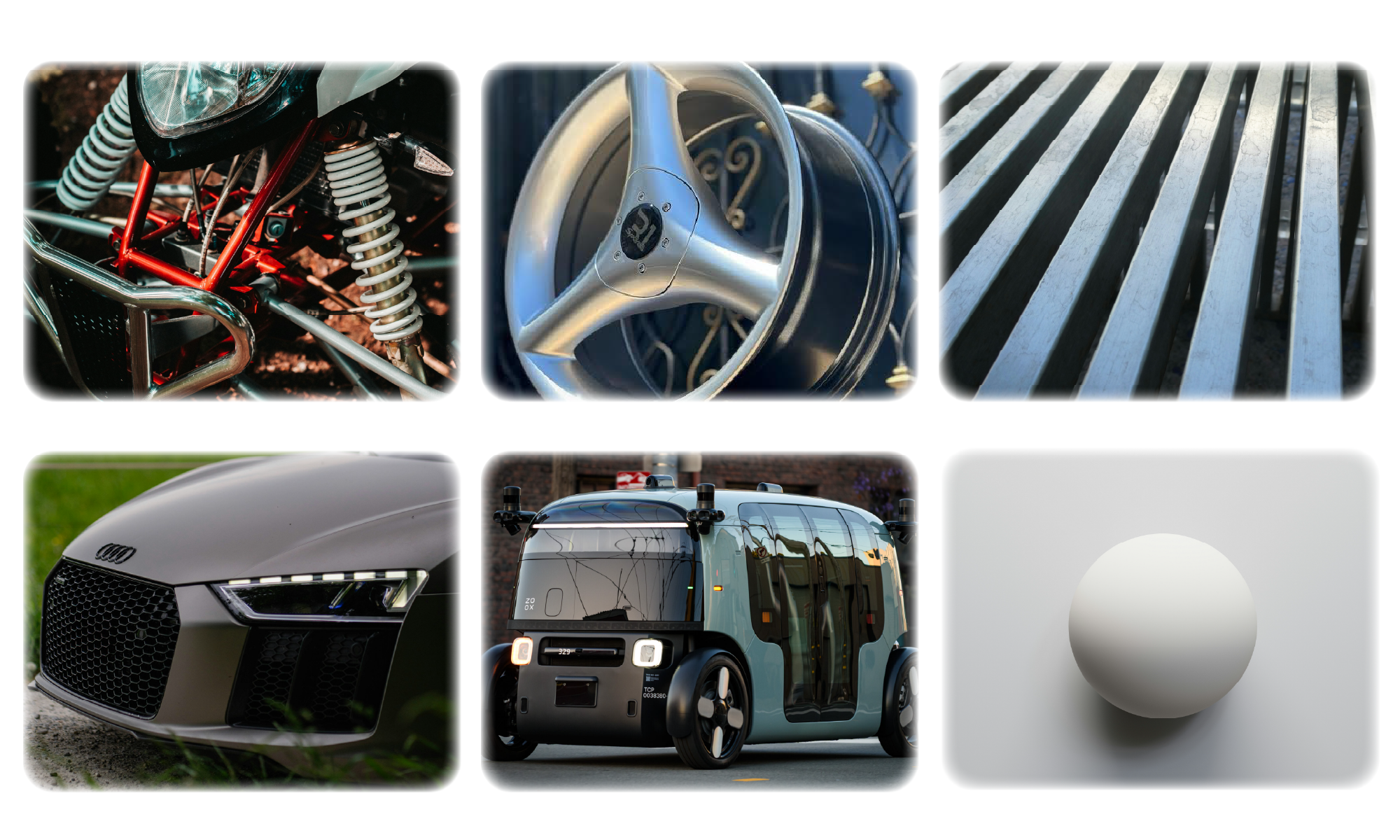
Mood Board
Before We Begin, a Quick Word on AI…
I am quite concerned about AI for many reasons. Among them, I find very troubling how it has triggered a massive data center buildout, driving up cost for electronics. Additionally upsetting is its regurgitating nature of creative content not obtained with consent. And relevant to my career, still in school learning Industrial Design, it is concerning that AI could detract from my own creativity and skills in the long run. I must accept however, that the technology has a certain potential that I could still employ in my workflow in a way that minimizes my concerns. Thus, for this project, I have devised some guidelines for AI use in order to explore how it can benefit my process.
- Locally run models only. This addresses privacy and environmental concerns by using solely the tools I have at hand. The models however cannot be guaranteed to be trained on content obtained with permission.
- Image generation should be derivative of my own work. Generated content used as final without an original reference should be discouraged.
Form Exploration
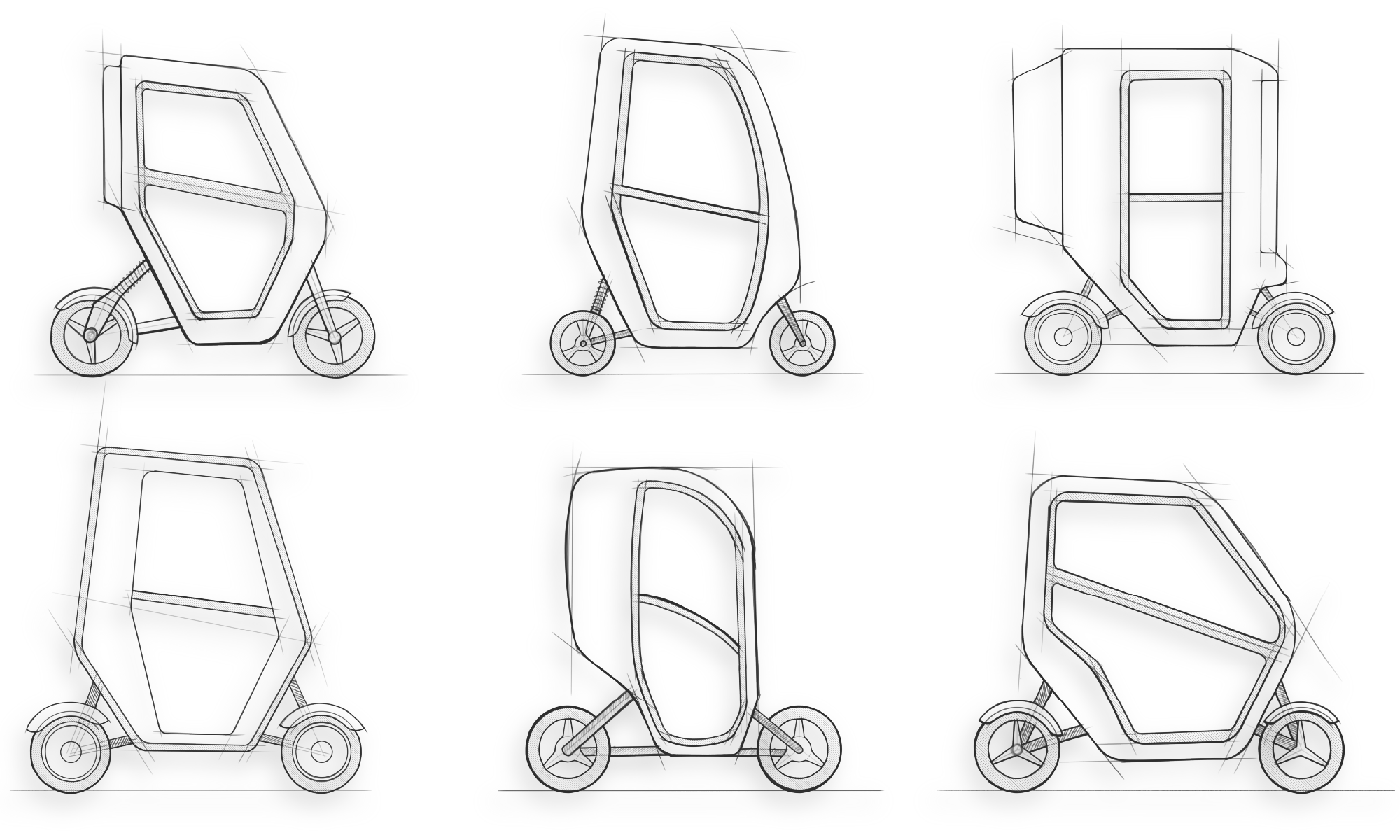
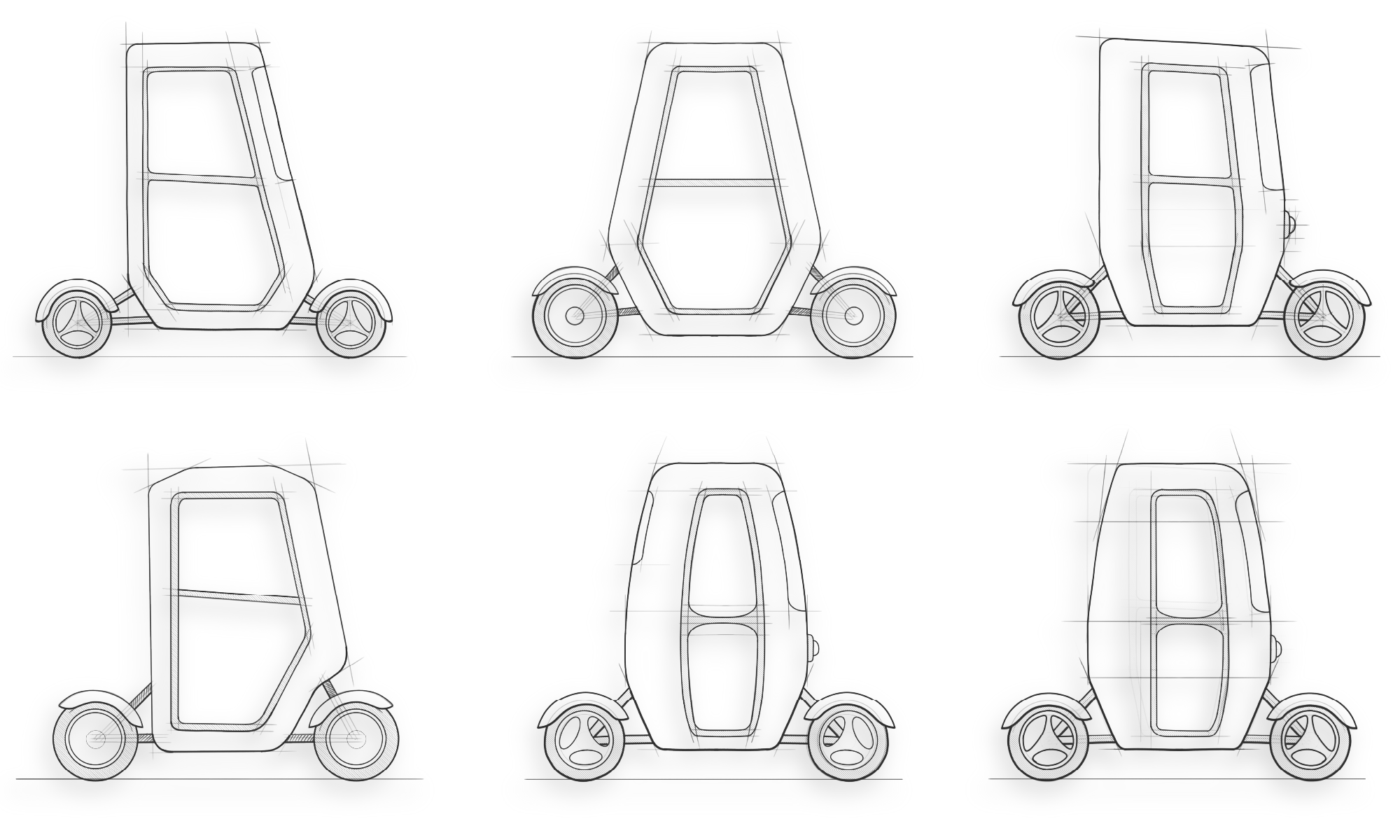
Initial Concepts & Rapid Visualization
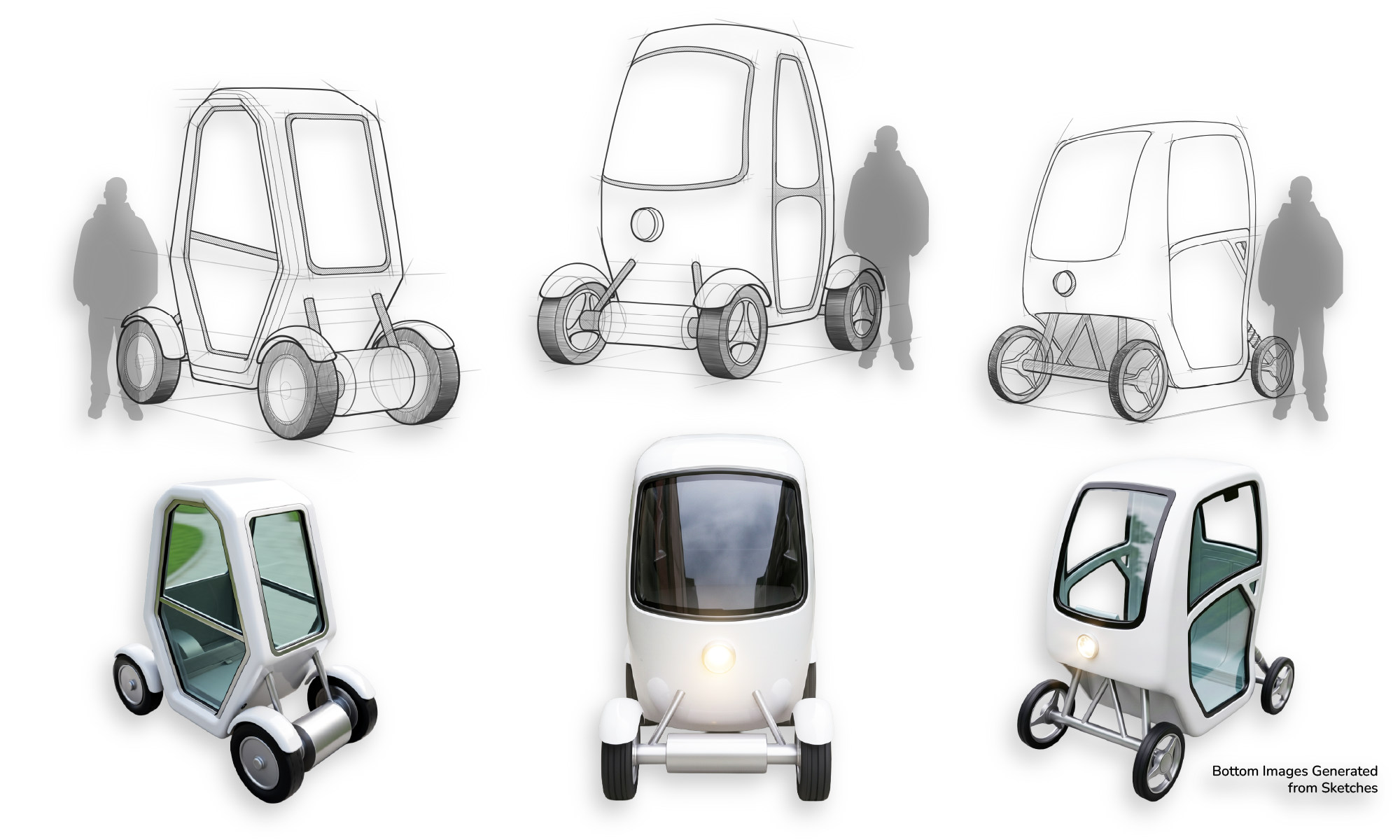
Concept Refinement
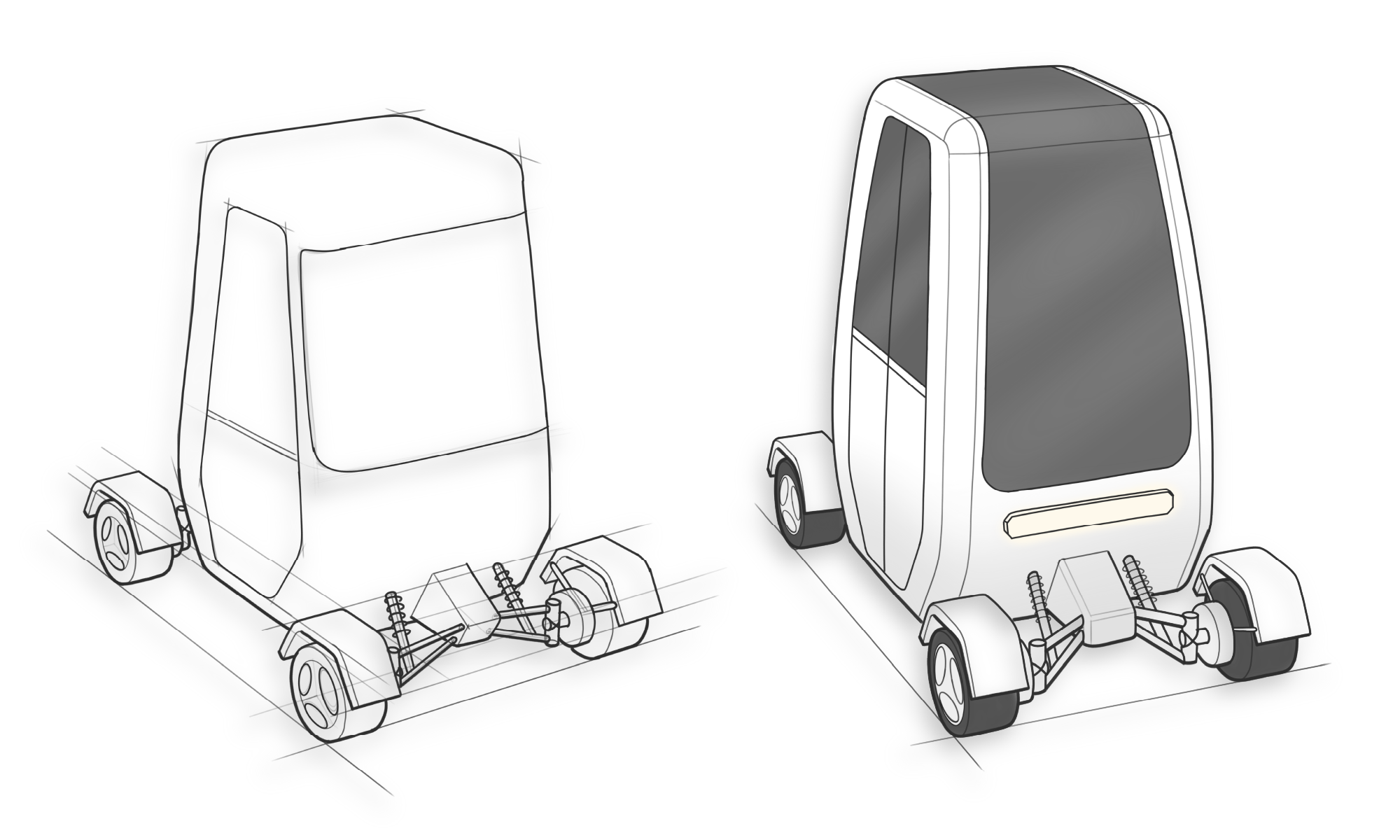
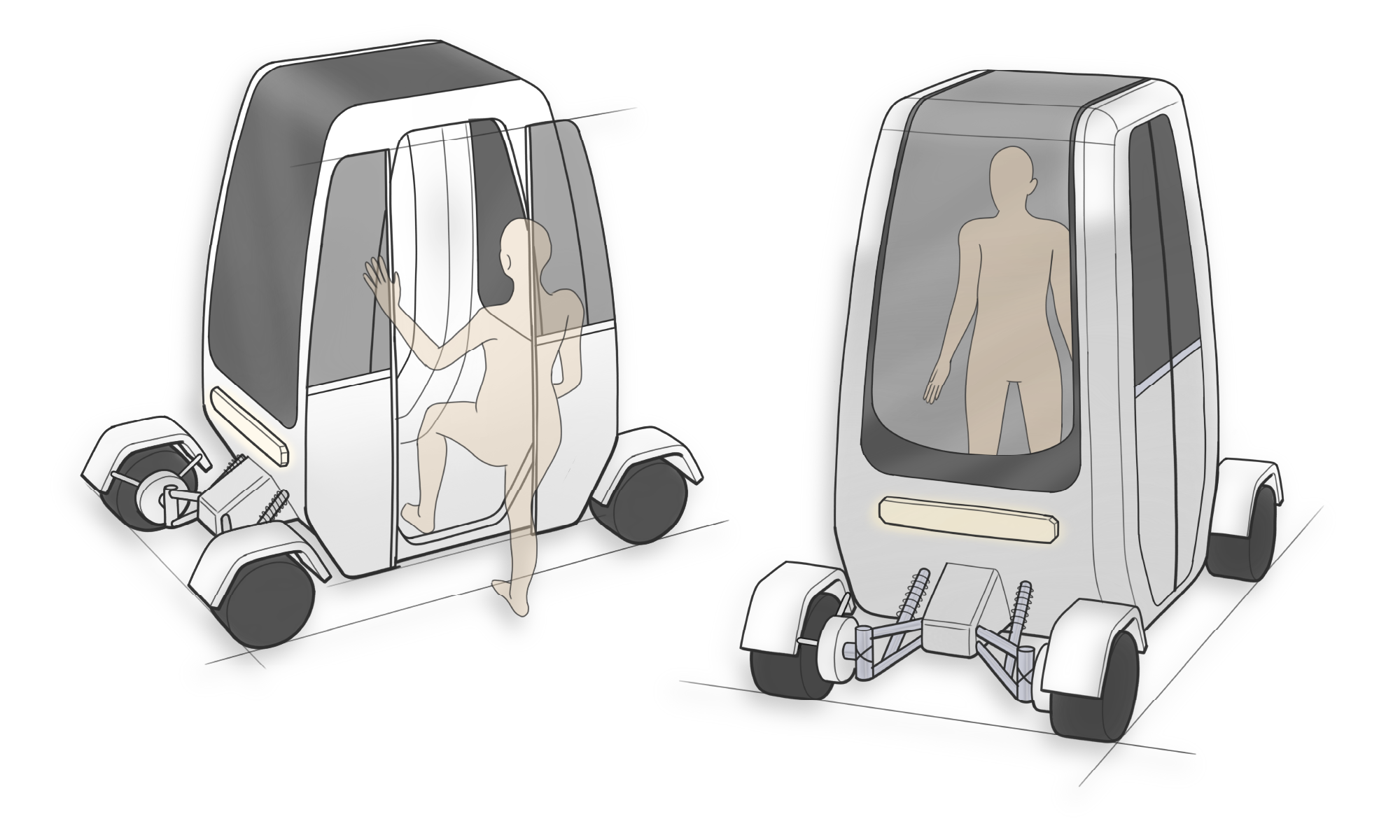
Final Design
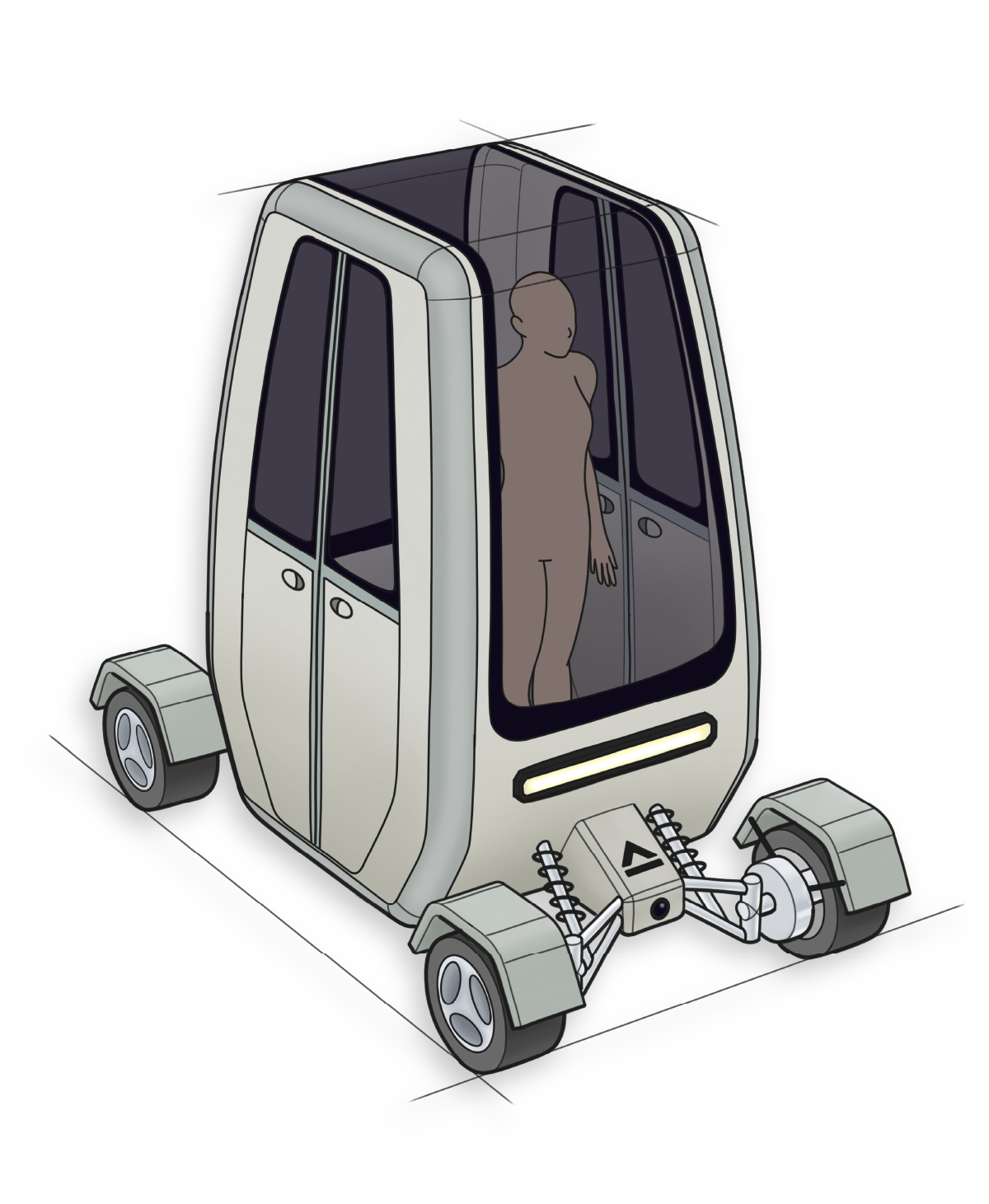
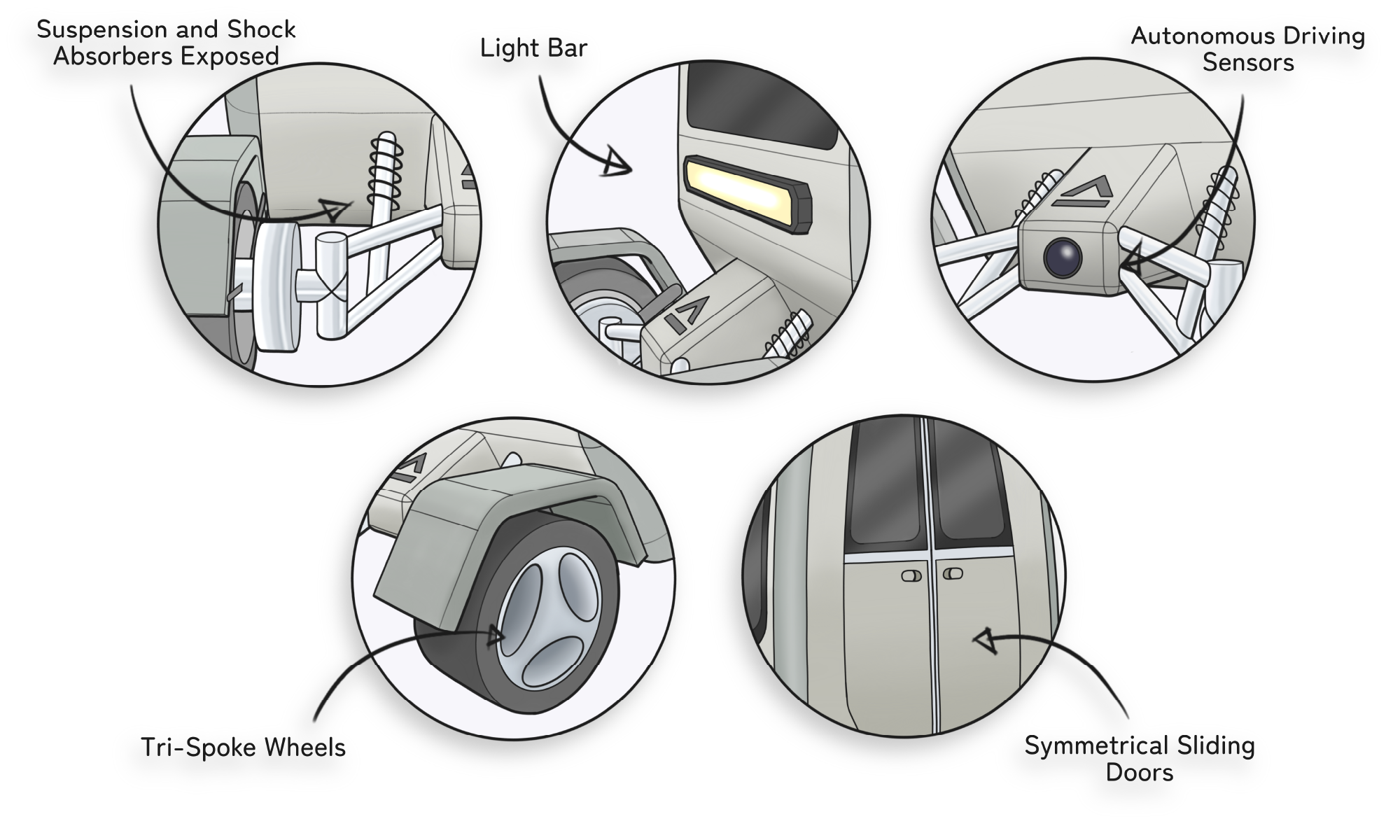
Generated Media |
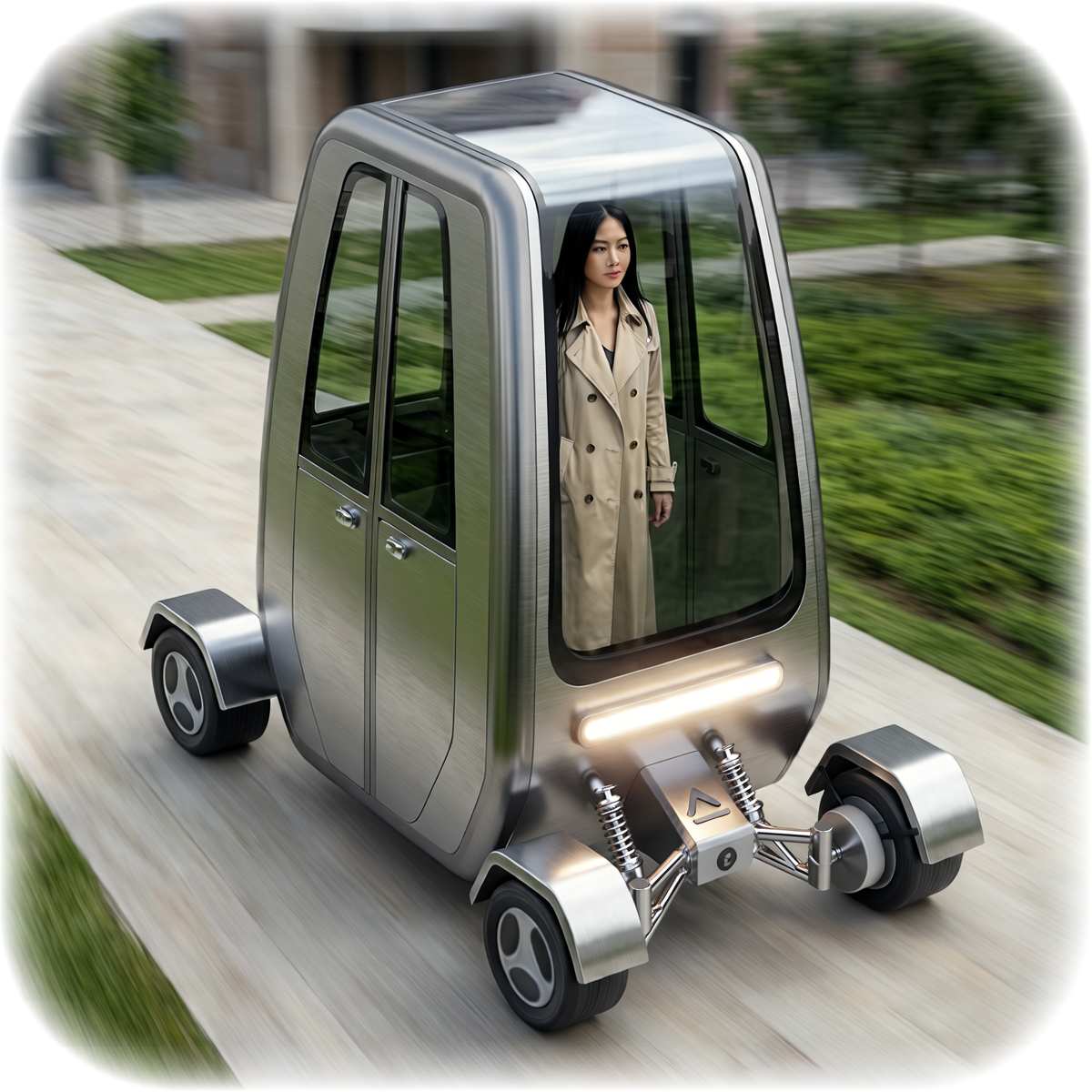 |
Generated Media |